Coastal Boat Coverage
Boat Insurance in St. Petersburg, FL
Review your boat coverage options today.
What Boat Owners Miss
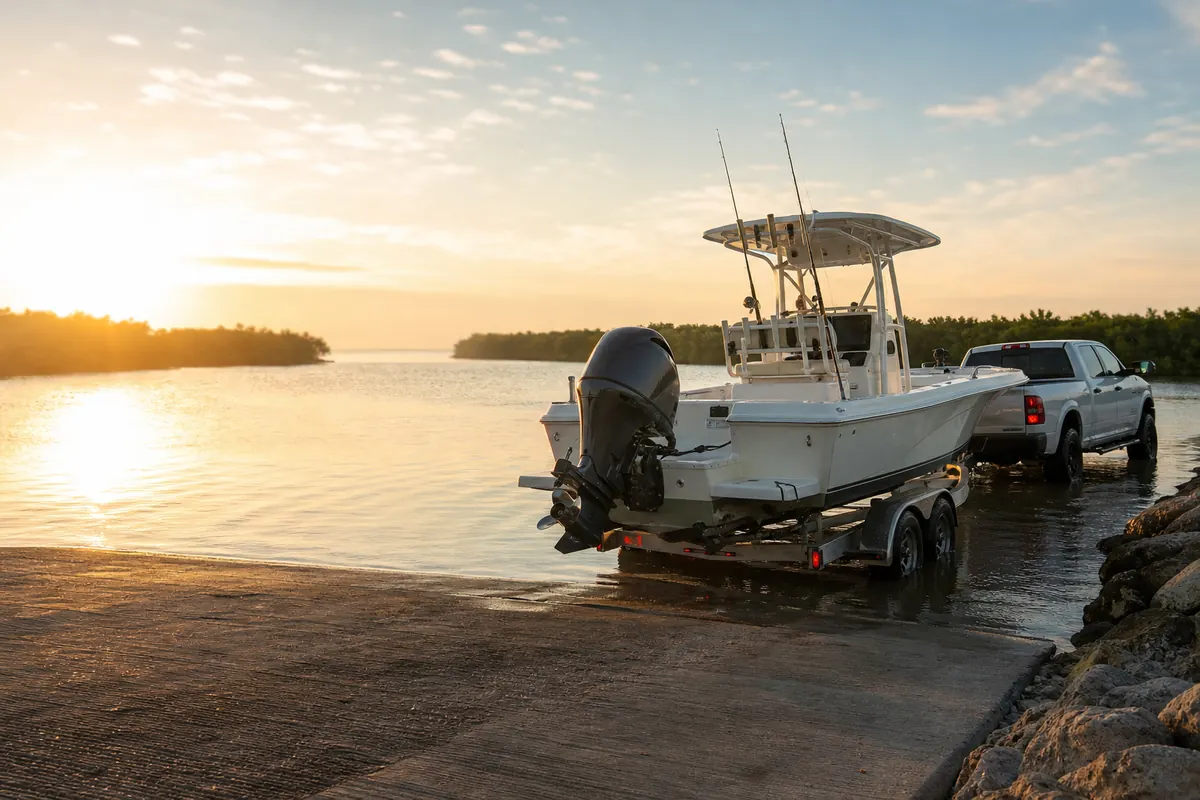
I-275, US 19, Central Ave, and the bridge routes can turn a short tow to the ramp into a long stop and go trip. The most common mistake people here make is assuming the boat, trailer, and gear are all covered the same way. They often are not. In St. Petersburg, that matters because your use may include the Pinellas Bayway, downtown launch areas, marina storage, bridge crossings, and days on Tampa Bay or Boca Ciega Bay. We help you sort out what a boat policy may cover, what it may leave out, and which questions to ask before a loss happens.
A second miss is waiting until a lender, marina, or storm notice forces a fast decision. Boat insurance is easier to review when you have time to check hull value, liability limits, towing, trailer protection, and named-storm terms. Some owners want coverage for a center console kept on a trailer. Others need a policy that fits a pontoon, sailboat, personal watercraft, or a boat financed through a lender. We give you clear information first, then a licensed agent follows up to help with the next step.
Boat Insurance Across Pinellas County and Nearby
- St. Petersburg, FL
- Pinellas Park, FL
- Gulfport, FL
- Kenneth City, FL
- Seminole, FL
- Largo, FL
- St. Pete Beach, FL
- Treasure Island, FL
- Madeira Beach, FL
- Tierra Verde, FL
- South Pasadena, FL
- Lealman, FL
- Bay Pines, FL
- Redington Beach, FL
- Redington Shores, FL
- Indian Shores, FL
- Feather Sound, FL
- Belleair, FL
- Clearwater, FL
- Dunedin, FL
- Safety Harbor, FL
Coverage That Matters
Boat insurance can be simple on paper and still leave gaps in real use. Around St. Petersburg, the details often come down to where you keep the boat, how you tow it, who operates it, and what happens if a storm changes your plans. Start with the parts below.
Liability on the water
Liability coverage may help if you are held responsible for injury or damage to someone else while using the boat. That can matter around busy channels, marina slips, launch ramps, and crowded holiday weekends. Limits vary, and some owners choose higher limits when they carry passengers often or dock around other vessels regularly. If you use a personal watercraft, the same question comes up fast because close quarters leave less room for error.
Hull coverage choices
Hull coverage applies to damage to your own boat, subject to the policy terms. One of the biggest choices is agreed value versus actual cash value. Agreed value generally aims at a set insured value if the boat is a total loss. Actual cash value usually factors in depreciation. For newer boats, custom equipment, or well-kept sailboats, that choice can change how a claim may be settled.
Trailer and towing protection
Many owners focus on the boat and forget the trailer. That is risky in a place where bridge routes, dense city streets, and launch queues are part of normal use. Trailer coverage may be separate or limited, depending on the policy. Towing for the boat on water is another item to check. Roadside help for the tow vehicle does not usually mean on-water towing for the vessel.
Storm and haul-out planning
Comprehensive coverage generally addresses non-collision losses such as storm damage, flooding, theft, fire, and falling objects, but terms differ. In this coastal area, named-storm planning deserves a close read. Some policies may address haul-out costs or require certain steps when a storm watch or warning is issued. Storage location matters too. A boat kept in the water may be viewed differently than one stored inland on a trailer.
Uninsured boater and passengers
If another boater causes damage or injury and does not have enough insurance, uninsured or underinsured boater coverage may be worth reviewing where available. This is not the same as liability coverage for your own actions. Passenger medical-related options also vary by policy. If you regularly take friends or family out from the downtown waterfront or across the bay, it helps to know what support the policy may and may not provide.
Navigational limits and lay-up periods
A policy may set navigational limits, which means the areas where coverage applies. That matters if your use is usually local but you sometimes trailer elsewhere or plan seasonal trips beyond your usual waters. Some policies also use lay-up periods, when the boat is expected to be out of use for part of the year. If actual use does not match the policy, a claim review may get harder than you expect.
Lender and marina requirements
Boat insurance is not required by the state, but lenders and marinas often have their own conditions. A financed boat may need hull coverage and named loss payee wording. A marina may ask for proof of liability before a slip is approved. Dry storage operators can have their own rules as well. We help you line up the insurance side with those requests so there are fewer surprises when paperwork is due.
Why Choose Us for Boat Insurance?
Local Use Patterns
We write for St. Petersburg use, not a generic boating page. That means trailer trips over bridge routes, storage choices near the water, launch day delays, and the difference between occasional bay use and frequent marina use are part of the discussion.
Checklist Style Review
You get a practical review of the items owners miss most often. We focus on hull value, liability, storm terms, trailer details, operator questions, and where the boat is kept. That helps you compare options without guessing what matters.
Licensed Follow Up
We provide the initial information and guidance, then a licensed agent follows up. That gives you a clear starting point and a path to ask policy-specific questions. If a lender or marina has requirements, those can be part of the review as well.
How to Review a Policy
List Your Use
Write down the boat type, where you keep it, who operates it, how often it goes out, and whether you trailer it over bridge routes or keep it in a slip. Real use should drive the review.
Check Property Details
Confirm the hull value method, equipment list, motor details, and whether the trailer is included. If the boat is financed, gather the lender requirements too. Those items shape the policy more than owners expect.
Review Liability Terms
Look at liability limits, passenger-related options, uninsured boater choices where available, and towing terms. If you dock at marinas or carry guests often, this part deserves extra attention because one incident can involve more than the boat itself.
Read Storm Conditions
Check named-storm wording, haul-out provisions, storage requirements, navigational limits, and any lay-up period. A policy can look fine until a storm warning changes where the boat is kept and what the policy expects you to do.
Ask for Clarification
Bring the open questions to us. We provide the information and guidance, then a licensed agent follows up to discuss policy options, lender requests, or marina paperwork. That keeps the review practical and specific to your boat.
Florida Rules and Sources
For official Florida vehicle and registration rules, check the Florida Department of Highway Safety and Motor Vehicles. For insurance questions and consumer help, the Florida Department of Financial Services consumer helpline is another useful source. Boat insurance itself is generally not required by the state, but lenders and marinas often set their own conditions. If you are comparing policy language, rely on the policy documents and official state sources instead of a short online summary alone.
What Affects Cost
Boat insurance cost depends on the boat, how you use it, and how much protection you choose. A center console used often in open bay conditions may be rated differently than a pontoon used closer to calmer water. Hull value, engine size, age of the boat, safety equipment, storage method, and whether the boat is financed can all affect the premium. Liability limits, trailer coverage, towing options, and storm-related terms also change the price.
Other factors may also move the premium up or down. Insurers often look at who operates the boat, prior claims, where the boat is kept, and whether it stays on a trailer, in dry storage, or in the water. The vehicle used for towing and where the trailer is parked can matter when trailer coverage is part of the plan. Deductibles and selected limits also change the premium. A careful review helps match the policy to actual use instead of paying for the wrong setup.
Boat Insurance Questions We Hear
Is boat insurance required in Florida?
Florida generally does not require boat insurance by state law. Even so, a lender may require coverage if the boat is financed, and a marina often asks for liability coverage before approving a slip or storage agreement. If you keep or use a boat around St. Petersburg, that private requirement can matter more than the state rule.
What does boat insurance usually cover?
Coverage varies by policy, but boat insurance often includes liability and may include hull protection for damage to your own boat. Comprehensive type protection generally applies to non-collision losses such as storms, flooding, theft, fire, or falling objects, while collision type protection generally applies to crash damage. Trailer, towing, gear, and passenger-related options may be separate or limited.
Do I need separate coverage for the trailer?
Often, yes, or at least a close review. Some policies may include limited trailer protection, while others treat the trailer differently from the boat itself. In St. Petersburg, where owners often tow across I-275, US 19, or the bridge routes to launch points, trailer details matter. Ask how physical damage, theft, and liability are handled before assuming the trailer is fully covered.
What is the difference between agreed value and actual cash value?
Agreed value generally means the policy aims at a stated insured value if the boat is a total loss, subject to the policy terms. Actual cash value usually reflects depreciation at the time of loss. For newer boats, higher-value equipment, or well-kept sailboats, that choice can affect claim results in a big way. It is one of the first items worth reviewing.
Does my policy need a named-storm or haul-out plan?
In this area, it is smart to ask. Some boat policies may include terms about named storms, required protective steps, haul-out reimbursement, or where the boat must be stored when a storm threat develops. If your boat stays in the water or at a marina near Tampa Bay or Boca Ciega Bay, those details deserve attention before storm season.
Contact Us Today for a Free Estimate
Ready to review boat insurance for your St. Petersburg vehicle or property? Tell us what you have and we will follow up.
Free, no obligation