Unit Owner Coverage
Condo Insurance in St. Petersburg, FL
Check what your association policy leaves to you.
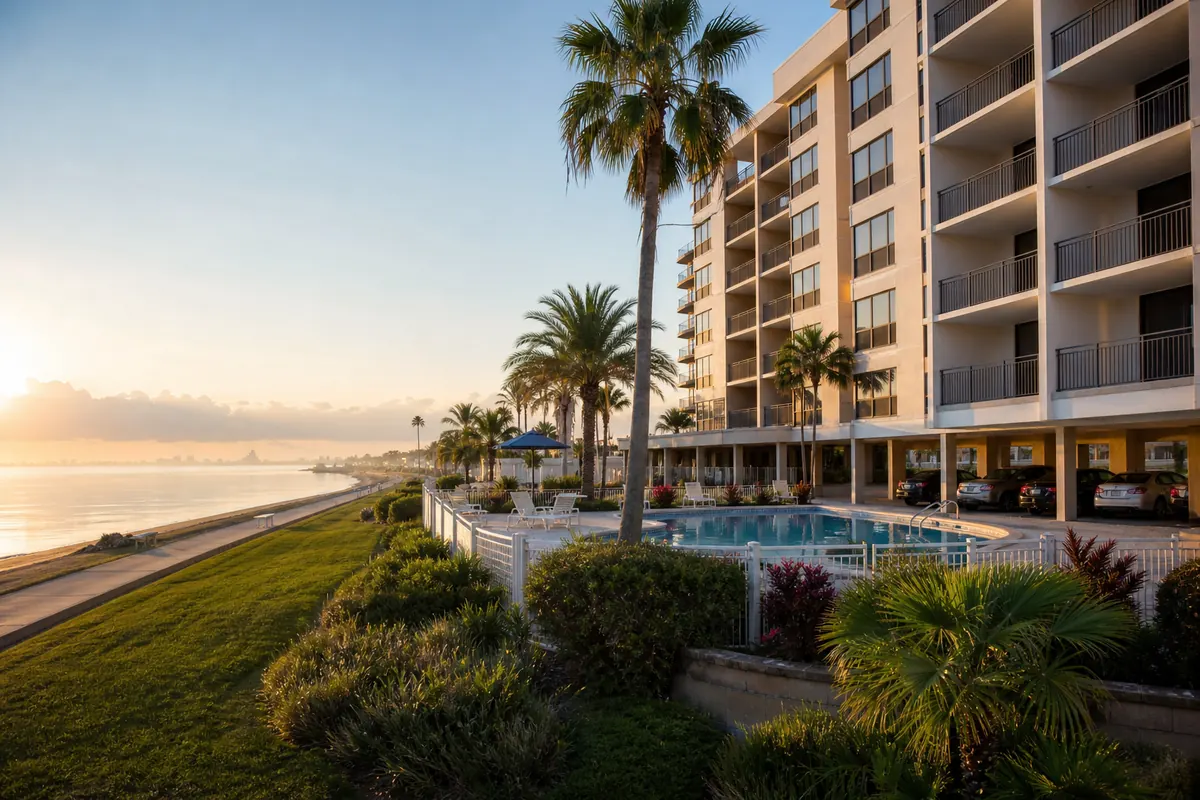
What Owners Miss
The most common mistake in St. Petersburg condos is assuming the association master policy covers everything inside your unit. It usually does not. A lot of owners hear that the building is insured and stop there. That is the misconception. Your condo policy, usually written as an HO-6, is the part that generally protects your side of the line. That may include interior walls, flooring, cabinets, fixtures, personal belongings, liability, and extra living costs after a covered loss. If you own a unit near Tampa Bay, Boca Ciega Bay, downtown, or along the Pinellas Bayway, this split matters more than most people expect.
Start with the association documents. They often describe what the master policy insures and what the unit owner must insure. In St. Petersburg, that question comes up in high-rises near the waterfront, older garden-style communities, and buildings near busy routes like 4th St N, Central Ave, and US 19. Water losses, wind-driven rain, guest injuries, and damage to interior upgrades can turn into a dispute over who pays for what. We help you sort the checklist. Then a licensed agent can follow up and review the parts that usually need closer attention.
Condo Insurance Across Pinellas County and Nearby
- St. Petersburg, FL
- Pinellas Park, FL
- Gulfport, FL
- Kenneth City, FL
- Seminole, FL
- Largo, FL
- St. Pete Beach, FL
- Treasure Island, FL
- Madeira Beach, FL
- Tierra Verde, FL
- South Pasadena, FL
- Lealman, FL
- Bay Pines, FL
- Redington Beach, FL
- Redington Shores, FL
- Indian Shores, FL
- Feather Sound, FL
- Belleair, FL
- Clearwater, FL
- Dunedin, FL
- Safety Harbor, FL

What Your Policy Does
A condo policy is usually about the parts of ownership the association does not take on. The main job is to match your unit, your building rules, and how you use the property. In St. Petersburg, that often means checking walls-in coverage, flood, hurricane deductibles, and whether the unit sits empty part of the year or is rented out at times.
Master Policy Vs. Your Unit
The first question is where the association stops. Some master policies may cover only common areas and the building shell. Others may cover more of the original unit finish. Your HO-6 generally picks up your insurable interest inside the unit. That can include interior surfaces, built-ins, appliances, and fixtures, depending on how the master policy is written. A copy of the condo documents helps avoid guessing.
Interior Improvements and Betterments
Many St. Petersburg units have upgrades beyond the original build. Tile, wood floors, stone counters, custom cabinets, and remodeled baths may need to be listed or at least considered when setting limits. If a pipe leak or other covered loss damages those items, your policy may be the one that responds. This is a common gap in both older units and renovated waterfront condos.
Personal Property Inside the Unit
Your belongings are separate from the building itself. Furniture, clothing, electronics, kitchen items, and similar property are usually part of the HO-6 side, subject to policy terms and limits. That matters whether your place is your main home or a seasonal unit near downtown or the beaches. If the unit sits closed up part of the year, you still need to think about what is inside and how a claim would be handled.
Liability and Guest Injuries
Condo insurance often includes personal liability coverage. If a guest is hurt in your unit, or you accidentally cause damage that affects another unit, this part may help, depending on the facts and policy terms. In buildings with shared hallways, elevators, parking areas, and pools, people often assume every accident belongs to the association. Sometimes it may. Sometimes it may come back to the unit owner.
Loss Assessment and Shared Claims
When the association has a covered loss, owners may sometimes be assessed for a share that the master policy does not absorb. Loss assessment coverage is meant for that kind of situation, within policy terms. This is worth a close look in communities with storm exposure or larger common elements. Owners often overlook it until a special assessment notice arrives after damage to shared property.
Loss of Use After a Covered Loss
If your unit cannot be lived in after a covered claim, loss of use coverage may help with temporary living expenses, subject to the policy. That can matter if building repairs take time or access is limited after storm damage. In St. Petersburg, units near the waterfront or along evacuation routes may have added complications after a severe weather event. This coverage is usually easy to ignore until you need somewhere else to stay.
Flood, Hurricanes, and Occupancy
Flood is generally a separate policy. That point causes a lot of confusion in low-lying parts of Pinellas County and around Tampa Bay and Boca Ciega Bay. Hurricane deductibles also work differently from standard deductibles on many property policies. If the unit is seasonal, vacant for stretches, or rented out for part of the year, those details can change what policy form fits best. High-rise and garden-style buildings may also present different claim patterns.
Why Choose Us for Condo Insurance?
Checklist First
We start with the gap most owners miss. What does the association insure, and what still belongs on your side. That keeps the review practical. You get a plain list of issues to check instead of broad sales language.
Built for St. Pete
Condo questions here are shaped by waterfront exposure, storm concerns, seasonal occupancy, and the mix of high-rises and smaller complexes across St. Petersburg. We write for this place and these ownership patterns, from downtown towers to garden-style communities near the bay.
Licensed Agent Follow Up
We provide information and guidance, then a licensed agent follows up to review your situation. That helps when your association documents use technical language or your unit has updates, rental use, or flood questions that need a closer read.
How to Review It
Get the Documents
Start with the association insurance summary and the declaration language that explains owner responsibility. If you have renovation records or an inventory of upgrades, keep those handy too. They help set the right walls-in and personal property limits.
Mark Your Gaps
Compare the master policy with what is actually inside your unit. Note flooring, cabinets, appliances, built-ins, and other updates. Also note any areas where a shared loss could come back to owners through an assessment.
Check How You Use It
Is the condo your main home, a seasonal place, or rented out at times. Occupancy affects how the policy should be set up. A unit that sits empty for part of the year needs closer attention than many owners expect.
Review Storm Exposure
Look at flood separately, then review the hurricane deductible and loss of use coverage. In St. Petersburg, bridge access, waterfront locations, and repair delays after storms can all affect how a property loss plays out.
Have a Licensed Review
Once the checklist is built, a licensed agent can review the policy options and the open questions. That is usually the best point to confirm limits, deductibles, and any details in the condo documents that may change the coverage approach.
Check Florida Rules
For vehicle registration and other Florida insurance requirements, the official source is the Florida Department of Highway Safety and Motor Vehicles. For condo and property insurance questions, policy help, and consumer guidance, the Florida Department of Financial Services consumer helpline is also a useful source. We suggest checking both when you want the current rule or a formal explanation. We can help you sort the practical side, but official agencies are the place to confirm state requirements and consumer rights.

What a Policy Costs
There is no single condo insurance price that fits every unit in St. Petersburg. The premium usually moves with the amount of walls-in coverage you choose, the value of your belongings, the size and age of the unit, prior claims, security features, and whether the condo is owner occupied, seasonal, or rented out at times. Proximity to water, flood needs, the building type, and the hurricane deductible can also change the picture. High-rise and garden-style communities may be rated differently because the claim exposure is different.
A useful correction here is that common auto rating items like driving record, vehicle type, where a car is parked, mileage, and household drivers generally do not set condo insurance pricing. For an HO-6 review, the bigger levers are your deductibles, liability limit, loss assessment amount, flood need, unit upgrades, and whether the association master policy leaves more or less for you to insure. If a unit has custom finishes or spends part of the year vacant, that may also affect how the policy is written.
Condo Insurance Questions We Hear
What does condo insurance usually cover that the association policy may not?
Your condo policy generally covers the parts of ownership inside your unit that the master policy leaves to you. That may include interior walls, flooring, cabinets, fixtures, personal property, liability, loss assessment, and temporary living costs after a covered loss. The exact split depends on the association documents and the policy wording.
Do St. Petersburg condo owners need flood coverage on the HO-6 policy?
Flood is usually separate from a standard condo policy. If your building is near Tampa Bay, Boca Ciega Bay, or other low-lying parts of St. Petersburg, it is smart to review the flood question early. Owners often assume water entering from outside is covered automatically. It may not be, depending on the cause and the policy.
How do hurricane deductibles work for condo insurance?
Many condo policies have a separate hurricane deductible that may apply to certain storm losses. That deductible can work differently from the standard all-other-perils deductible in the same policy. Owners often notice it only after a claim. It is worth reviewing before storm season so you know what your share of a covered loss may be.
Can we insure a seasonal condo or a unit rented out part of the year?
Often, yes, but the occupancy details matter. A unit used seasonally, left unoccupied for stretches, or rented out may need a different setup than a full-time owner-occupied condo. Those details can affect eligibility, policy form, and claim handling. It is better to disclose that use upfront than assume a basic unit-owner policy fits.
Is condo insurance different for a high-rise and a garden-style building?
It can be. The main reason is claim exposure and how the association insures the building. High-rises may have different water, wind, elevator, and shared-system issues. Garden-style communities may present different roof, exterior, and access concerns. Your own unit finishes and the master policy language still matter most, but the building type often shapes the review.
Contact Us Today for a Free Estimate
Ready to review condo insurance for your St. Petersburg vehicle or property? Tell us what you have and we will follow up.
Free, no obligation